






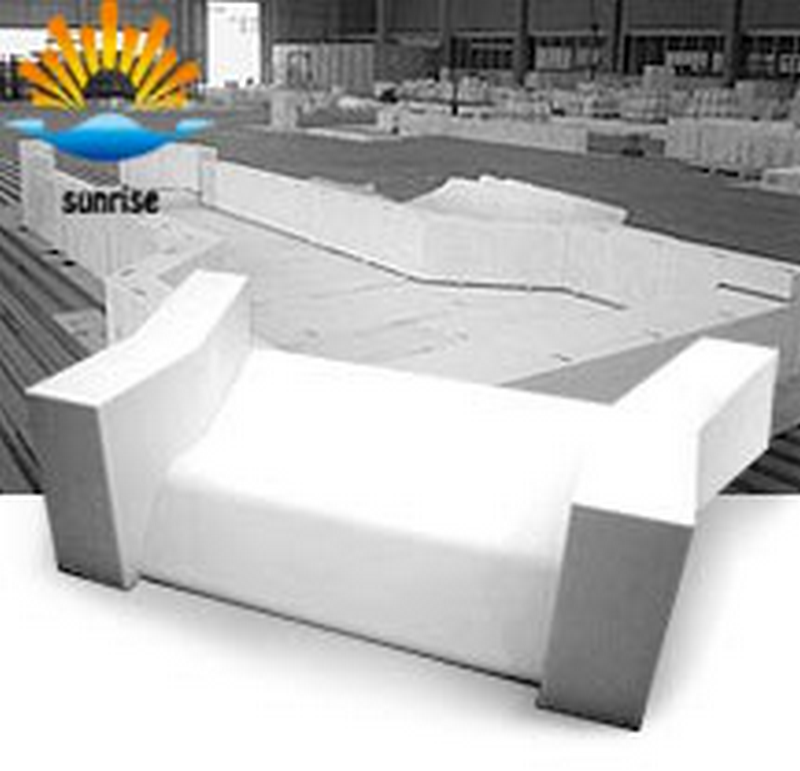
The Process Theory and Application of Fused Cast Alumina Block
Fused corundum brick is the oxidation of bauxite and other raw material product cooling and solidification of melt in the furnace, it has the advantages of simple process, short process, low product cost. Because of the different varieties of fused alumina, can add different reductant in the process of the welding torch. Approaching corundum melting point (2100 ℃) of the structure of the alumina melt is similar to corundum brick, when this kind of melt on cooling, crystallization becomes corundum brick. When corundum brick melt, melt molar volume increased 23.5%, the heat of fusion is 109.2 KJ/mol, and with the increase of melt temperature, reducing its density.
《Details》Jun/2026
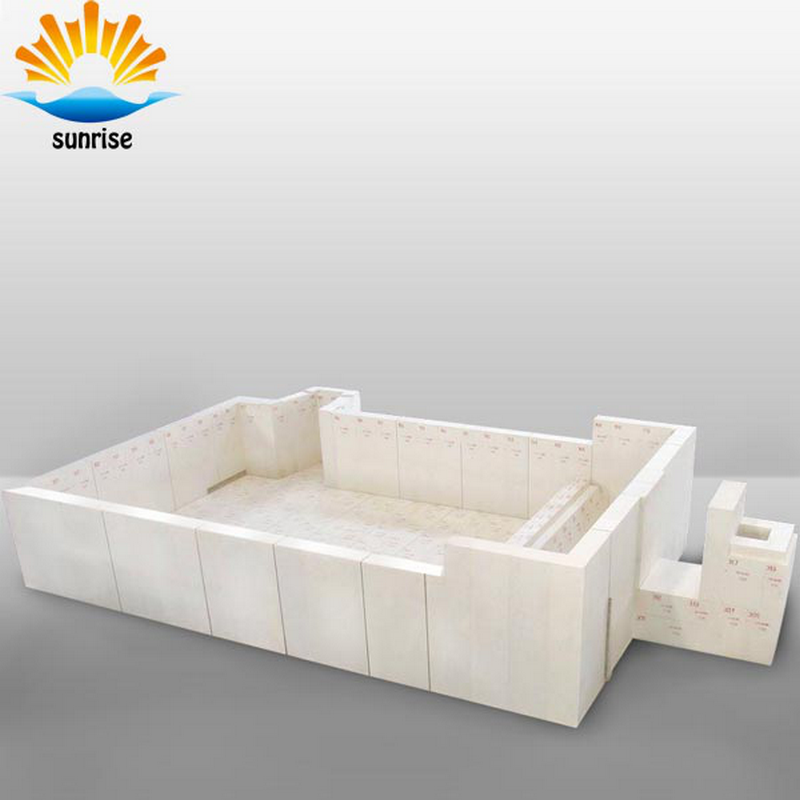
How to Enhance High-Temperature Performance of Silica Bricks for Glass Furnaces? Industry Insights for Efficient Production
This article delves into the core performance advantages of high-quality silica bricks used in glass furnaces, focusing on how their high SiO₂ content improves thermal resistance and high-temperature dimensional stability. It also explains the scientific principles behind their non-polluting nature, corrosion resistance, and low density—factors that significantly boost furnace efficiency and product quality. By analyzing real industry challenges, comparative data from operational studies, and successful customer cases, this piece demonstrates how upgrading to premium silica bricks reduces downtime, lowers maintenance costs, and increases production output. For glass manufacturers seeking to enhance competitiveness and operational excellence, this technical overview offers actionable insights and practical guidance.
《Details》Jun/2026
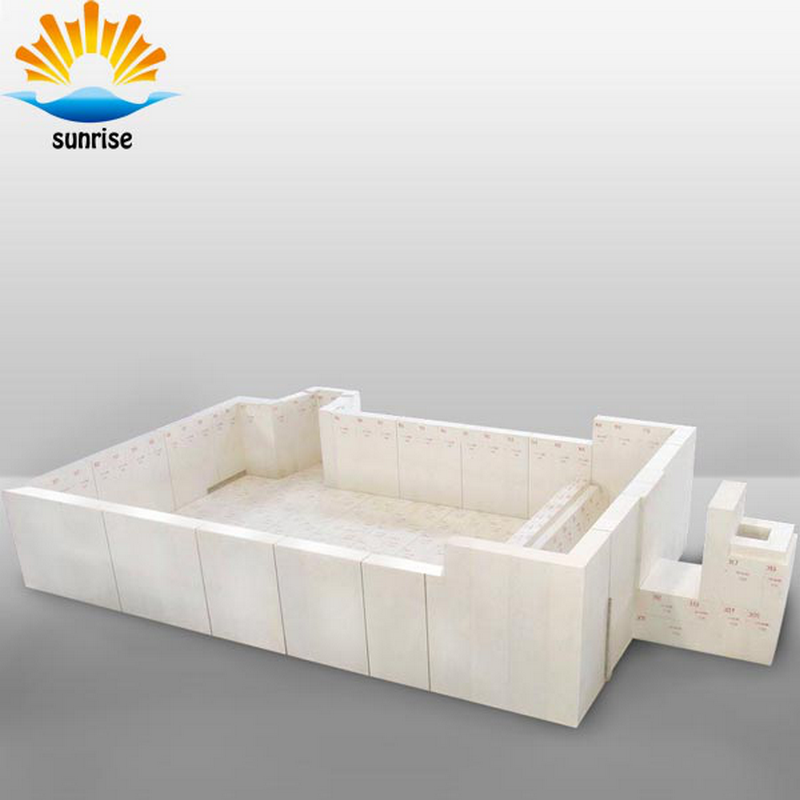
The Applications of Refractories in Different Parts of Glass Furnaces
The maximum temperature of the melting zone in the glass furnace is 1570-1610℃. The safety limit usually depends on the glass composition and the softening point of silica brick crown. The silica bricks begin to soften and melt in 1620℃. The reason why the crown is built with silica bricks instead of other refractory materials with higher refractoriness is that they have high strength at high temperature and their ablated materials are also compatible with glass, while other refractory materials may produce insoluble stones and other inclusions.
《Details》Jun/2026
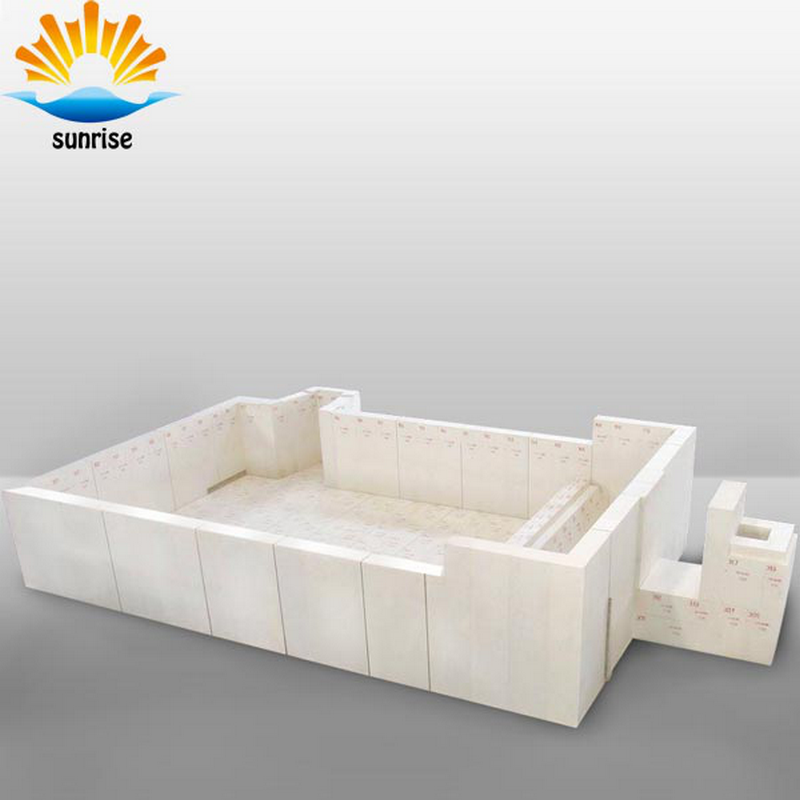
Abnormal corrosion of fused cast AZS sidewalls in glass furnaces
Article NavigationWhat Are Refractory Castables?Types & SuperpowersIndustrial Game-ChangersPro Buyer’s PlaybookWhy Kerui Castables Dominate1. What Are Refractory Castable Material?Refractory castable...
《Details》